2003 Ford Mustang SVT Cobra ("Terminator")
The Terminator: Factory Eaton Supercharged 4.6L DOHC V8, T-56 6-Speed & Independent Rear Suspension
Historical Significance & National Impact
Cultural Phenomenon & Bollywood Lore
The John Coletti "Terminator" Mandate
Coletti told his engineering team to benchmark the Corvette Z06 and destroy the Camaro: "We’re going to call it Terminator, and that’s exactly what it’s going to do to the competition."
The Mystichrome Paint Option
In 2004, Ford offered the sensational Mystichrome color-shifting paint that morphed from topaz green to cobalt blue, royal purple, and onyx black depending on ambient light.
Mechanical Anatomy & Driving Soul
Engineering Architecture
Featured cast iron Romeo engine block, forged 4340 crankshaft, Manley H-beam connecting rods, aluminum DOHC 32-valve cylinder heads, Eaton M112 supercharger delivering 8 psi boost, and a water-to-air intercooler.
Production Milestones Timeline
Terminator Launch
Over 13,400 coupes and convertibles built for 2003; followed by 5,664 units for 2004.
Factory Engineering Blueprint
Restorer's Reality & Critical Rust Zones
Rust Hotspots
Stock rubber Independent Rear Suspension (IRS) subframe bushings are prone to wheel hop during hard launches; urethane or Delrin bushings are the universal cure.
Collector Index (2026)
One of the most celebrated, legendary modern American muscle cars ever engineered; values are skyrocketing.
Frequently Asked Questions
Why is the 2003-2004 SVT Cobra called the "Terminator"?
SVT chief John Coletti gave the project the internal codename "Terminator" with the direct goal of terminating rival GM performance cars.
How much power could the stock Terminator engine handle?
Due to factory forged Manley connecting rods and a cast-iron block, stock Terminator bottom ends routinely handle 600 to 750 wheel horsepower without failure.
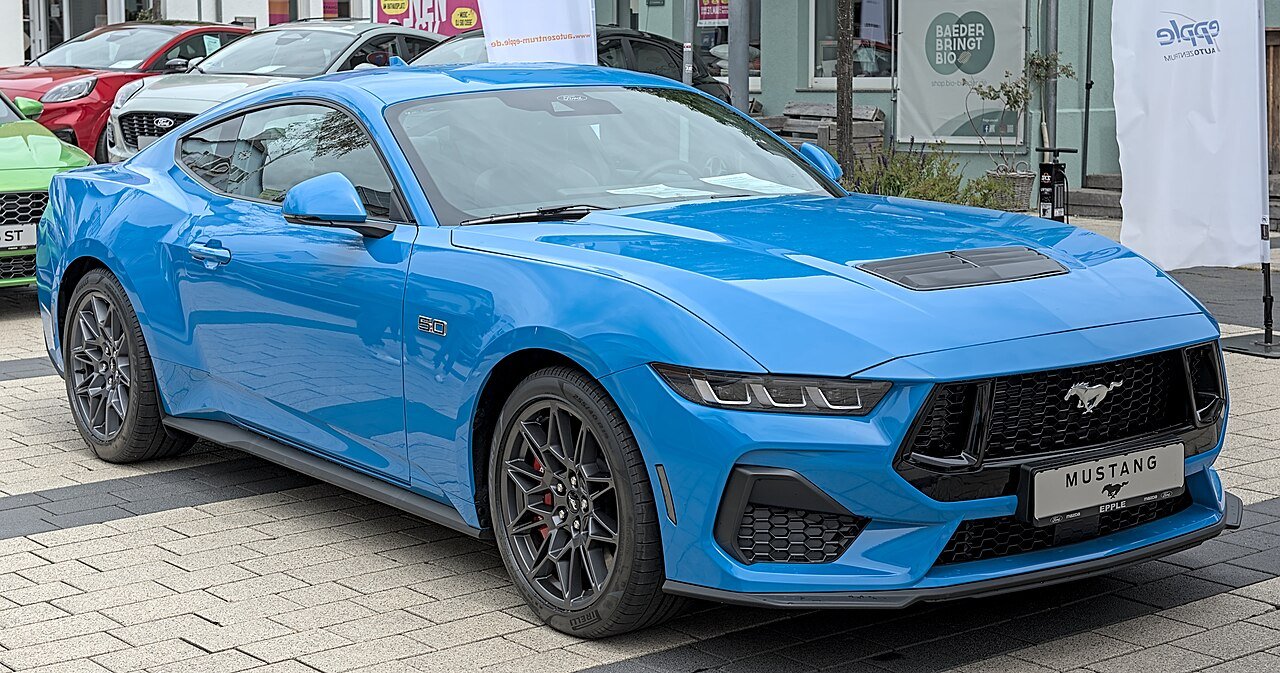
Ford Mustang Dark Horse
Tremec 6-speed naturally aspirated 500 hp modern track Mustang.