Maruti 1000 & Esteem (G13BB)
The INRC Rally Legend: 85 BHP Lightweight Saloon That Ruled Indian Dirt
Historical Significance & National Impact
Cultural Phenomenon & Bollywood Lore
The 15-Year INRC Rally Monopoly
From 1995 to 2010, the Indian National Rally Championship was essentially an all-Esteem battleground. In the hands of Team MRF and JK Tyre rally drivers, Esteems jumped over blind crests, slid sideways around gravel hairpins in Chikmagalur, and proved that a lightweight front-wheel-drive sedan could be virtually indestructible.
The 1990s Corporate Power Symbol
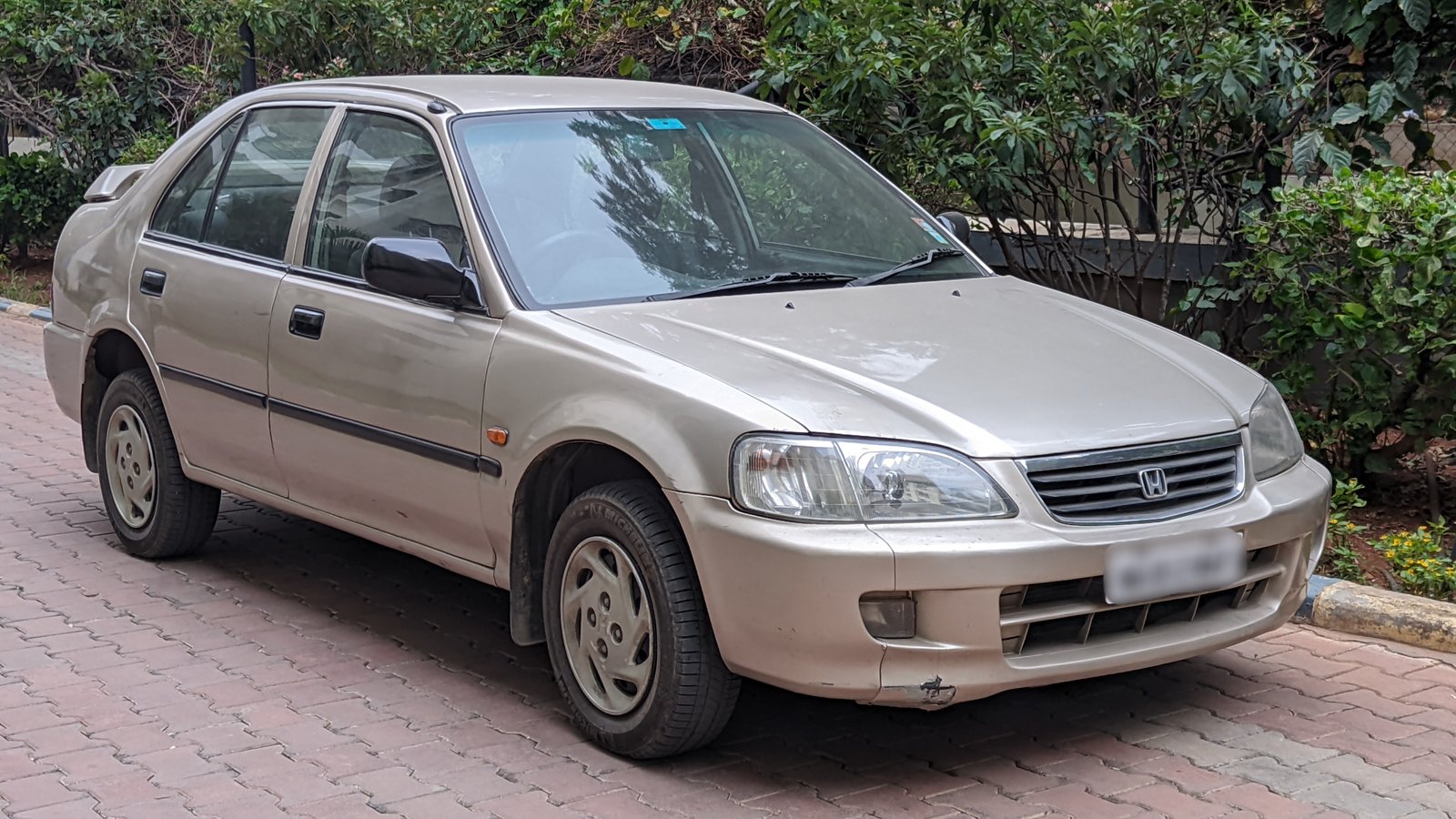
In the post-liberalization 1990s, senior corporate executives, bank directors, and successful chartered accountants parked an Esteem VX in their garage. With its velour seats, power steering, and factory Kenwood stereo, it was the gold standard of modern executive elegance.
The Maruti 1000 Black-Market Lottery
When the original Maruti 1000 launched in 1990, demand was so frenzied that allotment letters were traded on the black market for over ₹1,00,000 above the sticker price, purchased by industrialists seeking immediate delivery.
Mechanical Anatomy & Driving Soul
The Suzuki G13BB 16-Valve All-Aluminum Engine
1,298cc 16-valve SOHC engine featuring electronic multi-point fuel injection. Ultra-light aluminum casting kept front-end weight low, reducing understeer and allowing the engine to rev smoothly to 6,500 RPM.
Independent 3-Link Rear Suspension
Unlike modern budget sedans that use cheap torsion beams, the Esteem featured a sophisticated independent 3-link rear suspension setup that allowed each rear wheel to react independently to road undulations, delivering superior handling on rally gravel.
Sub-900 kg Lightweight Aerodynamic Monocoque
With a sleek wedge-shaped profile and thin pillar construction, the Esteem cut through air with minimal drag while keeping total curb weight under 870 kg.
Production Milestones Timeline
Maruti 1000 Launch
Debuts as India's first modern 3-box sedan with 970cc engine (46 PS).
Launch of the Maruti Esteem
All-aluminum 1.3L 16V engine introduced (85 PS), revolutionizing performance.
MPFi Upgrade & Facelift
Adopts 16-bit multi-point fuel injection and revised aerodynamic front fascia.
Retirement for Swift DZire
Esteem bows out after a 17-year reign, succeeded by the Swift DZire.
Factory Engineering Blueprint
Restorer's Reality & Critical Rust Zones
Rust Hotspots
Rust prevention and rear damper bushing replacement. Upgrading front brake pads and fitting stiffer suspension springs creates an incredible track or rally toy.
Collector Index (2026)
Steadily rising among Indian motorsport purists who celebrate its 15-year rally supremacy.
Frequently Asked Questions
What was the difference between Maruti 1000 and Maruti Esteem?
The Maruti 1000 (1990-1994) used a tiny 970cc 8-valve engine making only 46 bhp and was notorious for being sluggish with the AC running. The Esteem (1994-2007) upgraded to the powerful 1.3L 16V engine producing 85 bhp, completely resolving the power deficit.
Why was the Maruti Esteem so dominant in Indian rallying?
Its combination of an ultra-lightweight 865 kg body, independent rear suspension, and rev-happy, durable G13BB all-aluminum engine made it nimble, fast, and easy to repair in forest rally service parks.
Did the Maruti Esteem come with a diesel engine?
Yes, in 1998, Maruti introduced the Esteem Diesel powered by an imported 1,527cc Peugeot TUD5 naturally aspirated diesel engine, famous for delivering 20+ kmpl fuel economy.
Maruti Suzuki Ciaz / Dzire
Modern cabin space and electronics, but completely lacks the lightweight independent-suspension agility of the Esteem.