Tata Sumo (Spacio & Victa)
The Iron Workhorse of the Hinterland: Named After Sumant Moolgaokar
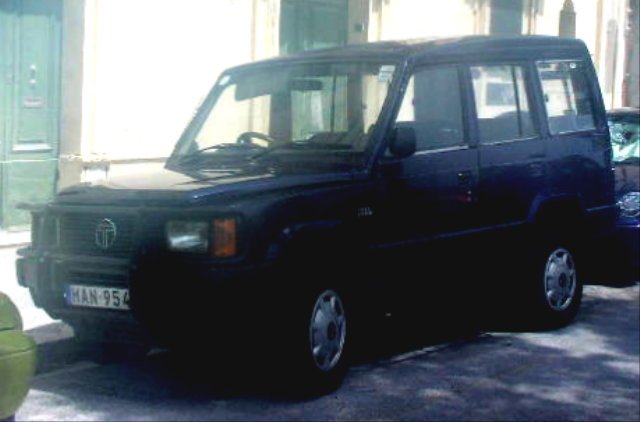
Historical Significance & National Impact
Cultural Phenomenon & Bollywood Lore
The Himalayan Lifeline
In Shimla, Manali, Gangtok, and Tawang, the Tata Sumo was not merely a vehicle; it was the sole lifeline of civil society. When blizzards struck and roads were buried in snow and slush, Sumo drivers with iron chains wrapped around the rear tires were the only ones keeping mountain passes open.
The Sumant Moolgaokar Tribute
Legend has it that Sumant Moolgaokar, MD of TELCO, would stop at roadside dhabas during highway test runs to talk directly with truck drivers and mechanics, noting their grievances in a small diary. The Sumo was engineered specifically to address those real-world complaints: thick steel, huge radiator, and parts repairable with a hammer.
The 10-Seater Village Economy
In rural India, purchasing a Tata Sumo transformed a farmer into a rural transport entrepreneur. Running morning trips from farming villages to district mandi grain markets, the Sumo's daily ticket collections paid off its bank loan within two years.
Mechanical Anatomy & Driving Soul
The 3.0L 4SP Direct Injection Truck Engine
Sourced directly from the legendary Tata 407 commercial truck, this naturally aspirated direct-injection engine was built with heavy cast iron, gear-driven camshafts, and a mechanical MICO inline fuel pump capable of running on poor-grade rural diesel.
Heavy-Duty Full Floating Rear Axle
Designed to handle extreme overloads, the rear axle featured heavy-duty wheel bearings and parabolic leaf springs engineered to withstand 1.5 times its rated payload across unpaved village roads.
Box-Section Heavy Ladder Frame
Formed from thick closed-box high-strength steel sections with heavy tubular cross-members, providing supreme torsional rigidity that prevented body sagging even after decades of mountain service.
Production Milestones Timeline
Launch of the Tata Sumo
Debuts with 1.9L Peugeot diesel engine; sells 100,000 units within three years.
Sumo Spacio Launch
Adopts 3.0L Tata 4SP commercial direct-injection engine and revised front round headlamps.
Sumo Victa Introduced
Luxury passenger version launched with power steering, power windows, tachometer, and plush fabrics.
Production Ceases
Sumo bows out in April 2019 after 25 continuous years due to BNVSAP crash norms.
Factory Engineering Blueprint
Restorer's Reality & Critical Rust Zones
Rust Hotspots
Leaf spring bushing wear and steering play. Rebuilding the front suspension and flushing the cooling system guarantees another 2,00,000 km of trouble-free life.
Collector Index (2026)
Emerging cult icon for rugged camper conversions and adventure builds in 2026.
Frequently Asked Questions
How did the Tata Sumo get its name?
The Sumo was named as a tribute to Sumant Moolgaokar, the legendary Managing Director of TELCO, using the first two letters of his first and last names (SU-MO).
Why was the Sumo Spacio so popular in hill stations?
The Spacio utilized the 3.0L DI engine from the Tata 407 truck, producing immense low-end torque (223 Nm at 1600 RPM). It could conquer steep, snow-covered Himalayan slopes with a full passenger load without needing high revs or clutch slipping.
Did the Tata Sumo ever come with 4-wheel drive (4x4)?
Yes, Tata manufactured a rare 4x4 version of the Sumo for the Indian Army and paramilitary forces, which occasionally found its way to civilian buyers in northern mountain states.
Mahindra Bolero / Scorpio-N
Modern rural utility king, but lacks the nostalgic boxy charm and ten-seater volume of the original Sumo.