Jaguar E-Type Series 1 3.8 OTS (1961) vs Dzire 2024: Head-to-Head Analysis
Direct side-by-side comparison of powertrain output, real-world efficiency, structural safety profile, ground clearance, and long-term maintenance costs.
| Parameter | Jaguar E-Type Series 1 3.8 OTS (1961) Zero-Filter Analog Driver Purist Icon |
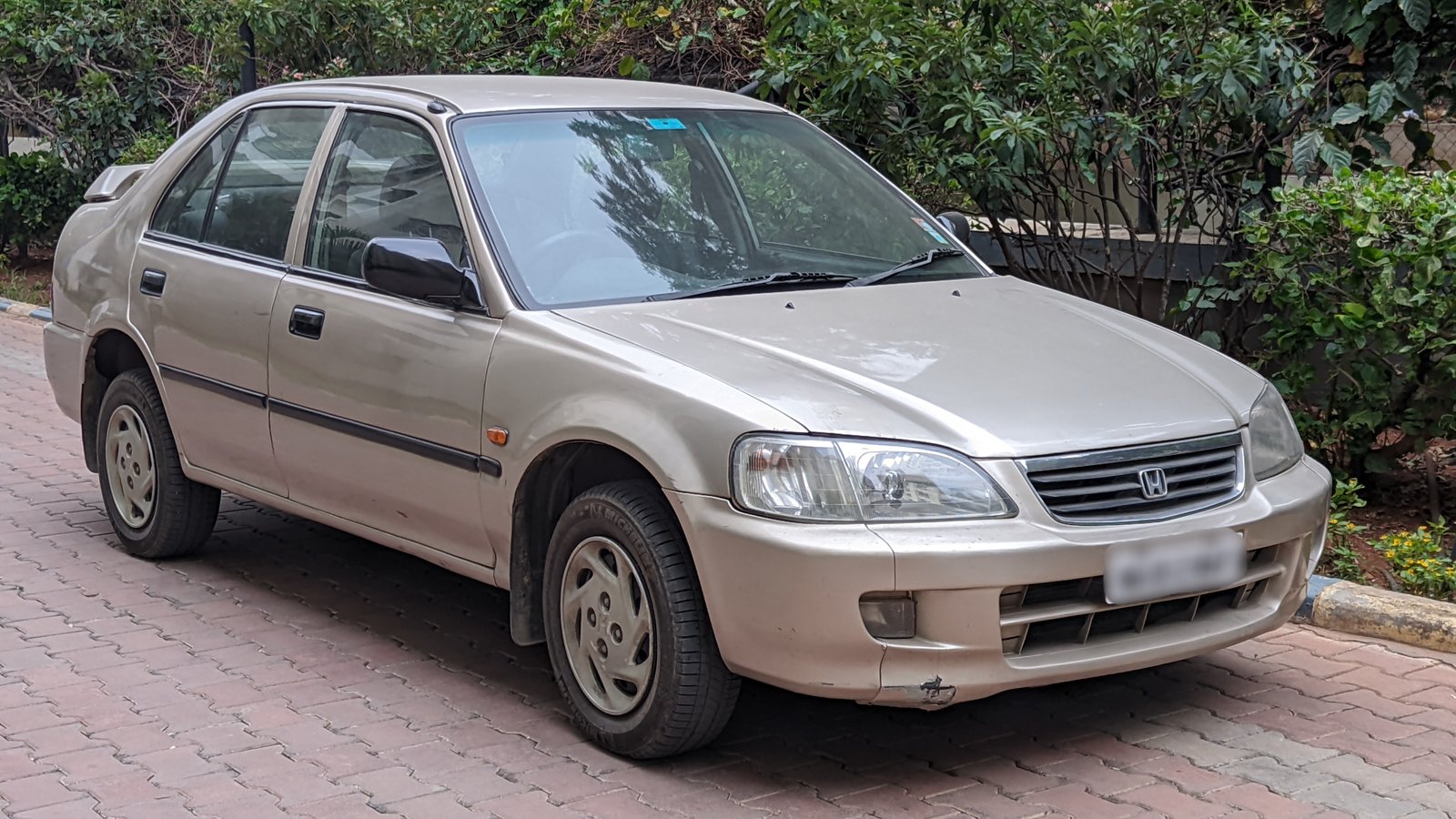
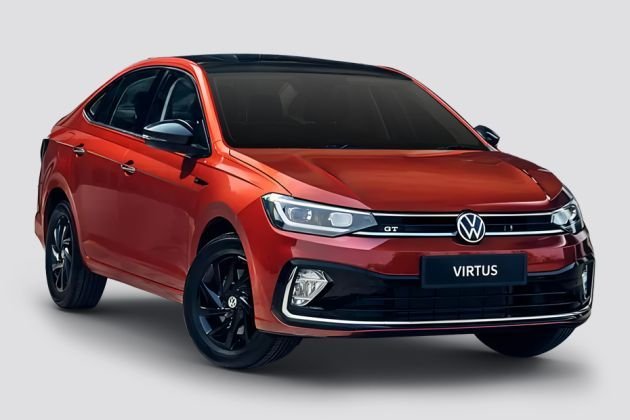
Dzire 2024 Low-Slung Highway Cruiser With Real Boot & Rear-Seat Poise |
|---|---|---|
| Segment | Analog Collector Sports & Rally Legend | Executive / Family Sedan |
| Price / Reference | ₹ 1.00 Lakh - ₹ 6.00 Lakh | ₹ 6.79 Lakh - ₹ 10.14 Lakh |
| Power & Torque | 265 PS • 353 Nm | 110 - 150 PS • 145 - 250 Nm |
| Real City Economy / Range | 6.0 - 8.5 kmpl | 15.9 - 18.5 kmpl |
| Safety Profile | Analog Pre-ADAS Enthusiast Shell | 5.0 Stars (Rated / Platform Equivalent) |
| Unladen Ground Clearance | 125 mm | 165 mm |
| Boot Space (Luggage) | 220 Litres | 500 Litres |
| Operating Cost per KM | ₹ 0.65 - ₹ 1.40 / km | ₹ 0.50 - ₹ 0.72 / km |
| MadForCar Verdict | On March 15, 1961, at the Geneva Motor Show, Sir William Lyons pulled the silk sheet off the Jaguar E-Type (XK-E), and the entire automotive universe stopped breathing. Enzo Ferrari, who had dedicated his life to building the world's most glamorous cars, openly declared it 'the most beautiful car ever made'. With Malcolm Sayer's wind-tunnel-sculpted monocoque, glass-covered headlights, forward-tilting clamshell hood, triple SU carburetors, and a verified 150 mph top speed—for half the price of an Aston Martin—the E-Type became the ultimate symbol of the swinging sixties. | With sleek three-box proportions, generous boot capacity, and 110 - 150 PS cruising composure, the Maruti Suzuki Dzire 2024 delivers superior high-speed stability and rear-seat comfort over tall crossovers, asking only for mild caution over oversized speed humps (165 mm). |